A floor fan can make a small rental feel livable on a hot evening, but the wrong layout can pull in smoke, trip people with cords, block the window, or create a false sense of safety during extreme heat. This June 2026 guide treats cross-ventilation as a renter-friendly room layout problem: window choice, furniture spacing, cord safety, smoke-day exceptions, and a backup cooling plan.
Layout decision table
| Condition | Better layout | Avoid | Check |
|---|---|---|---|
| Cool evening air | Fan near intake or exhaust path | Fan blowing into a blocked corner | Tissue test at doorway |
| Heat advisory | Cooling plan beyond fan | Assuming air movement solves heat illness | Local health guidance |
| Smoke or high pollution | Keep windows closed if advised | Pulling dirty air indoors | Air-quality alert |
| Small room | Cord along wall and visible | Cord under rug | Walk the path in dim light |
| Curtains | Fan away from fabric | Fabric touching grille | Full oscillation sweep |

Start with the outside air question
Cross-ventilation only helps when outdoor air is safer and cooler than indoor air. Before opening windows, check heat, smoke, pollen, and local air-quality conditions. On wildfire-smoke days, a beautiful breeze can still be a bad design choice. Interior comfort starts with deciding when not to ventilate.
Create a real air path
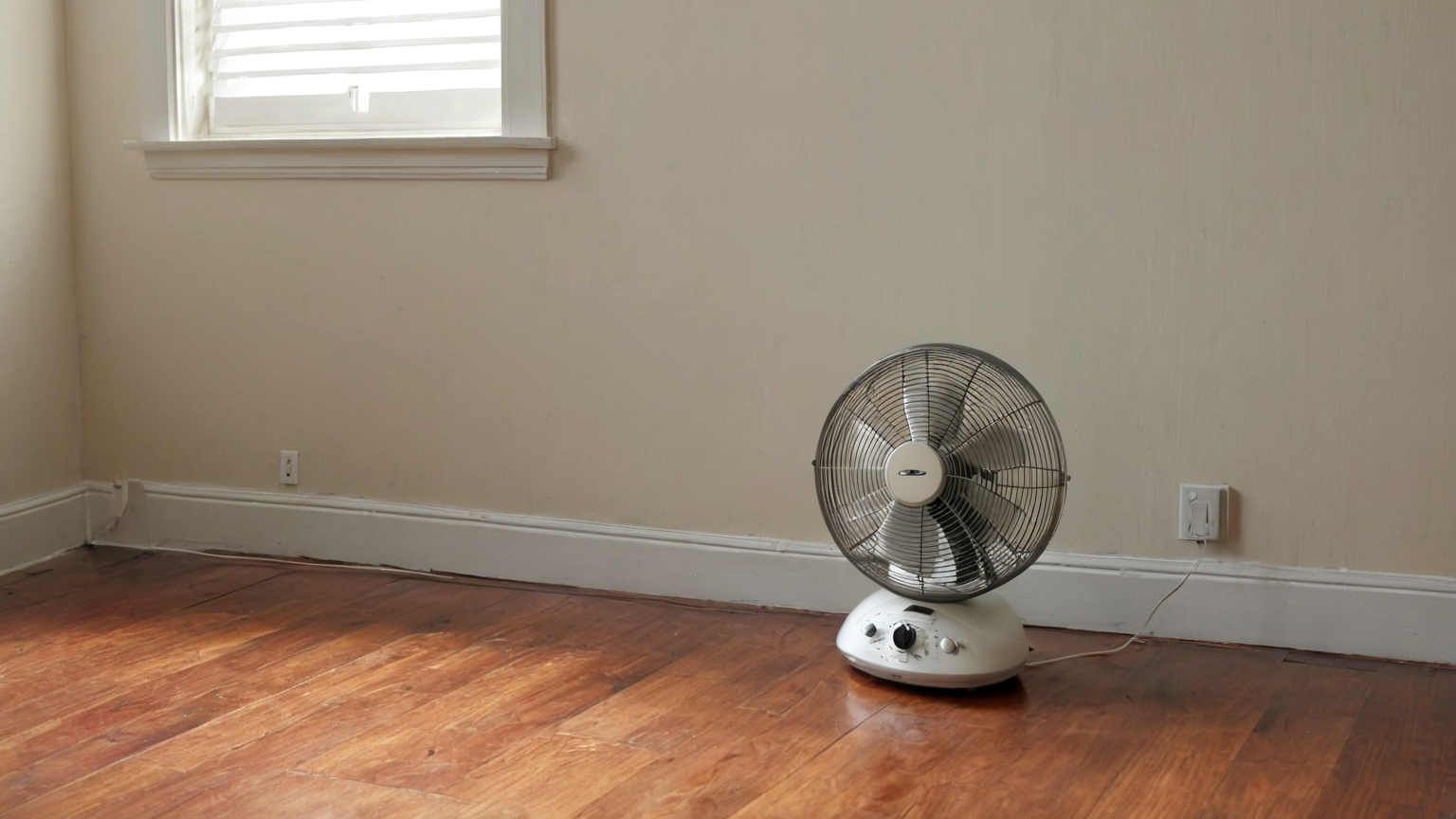
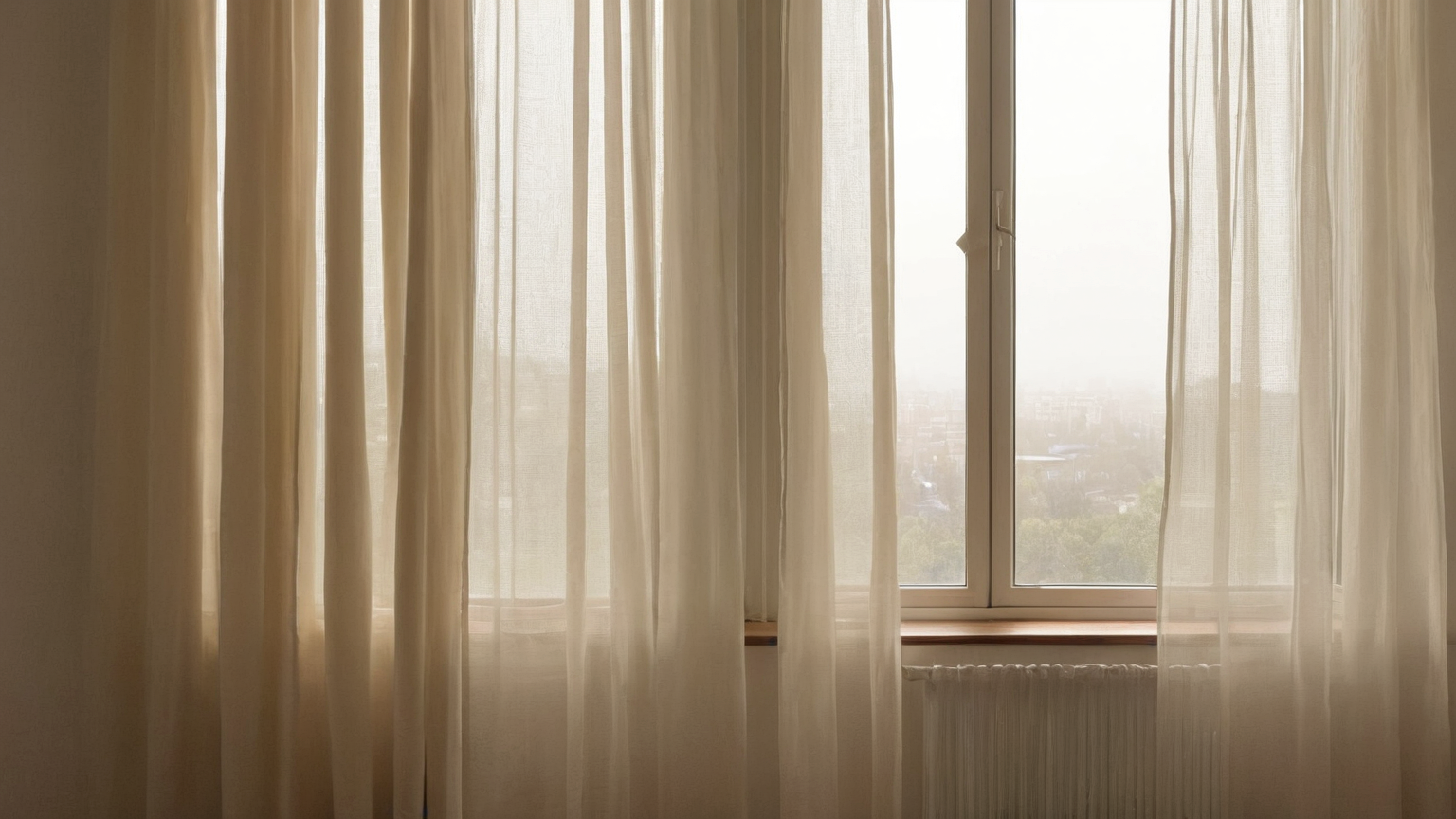
A fan cannot move air through a room packed like storage. Open a route between intake and exhaust windows or between a window and hallway. Pull furniture a few inches away from the path, keep tall items from blocking the sill, and use a lightweight curtain tieback so fabric cannot touch the grille.
Place cords like furniture legs
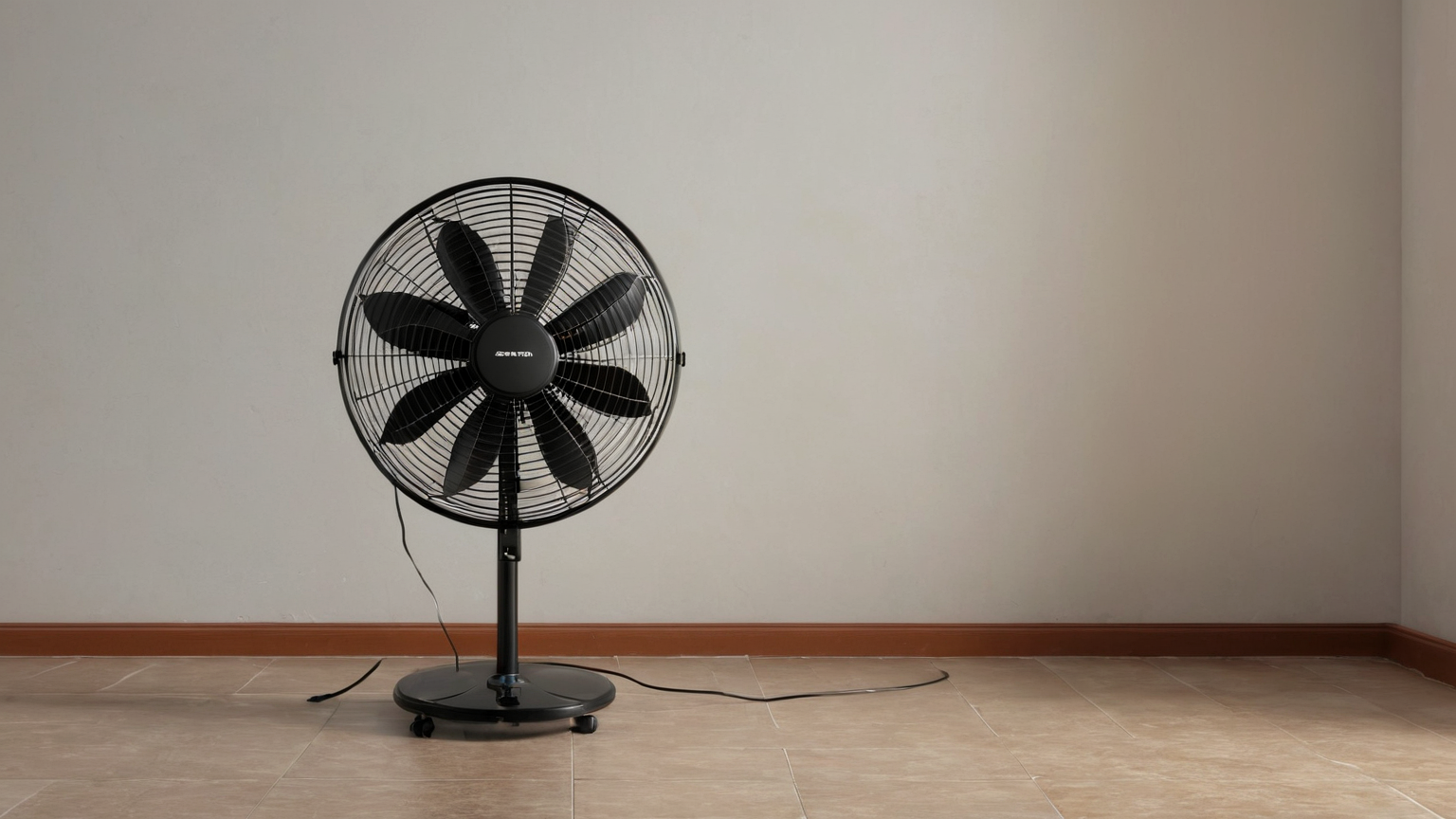
In a rental, cord management must be reversible and safe. Run the cord along a wall where it stays visible. Do not hide it under rugs, pinch it under metal furniture, or stretch it across a doorway. If the outlet location forces a bad cord path, choose a smaller fan, different window, or landlord-approved electrical solution rather than improvising.
Build a heatwave exception plan
During dangerous heat, moving hot air may not protect children, older adults, pets, or anyone with health conditions. Decide in advance where the cooler room is, which neighbor or public place is a backup, and what time the apartment becomes unsafe. Design is helpful only when it includes a trigger to stop relying on the fan.
Night routine for renters
At sunset, compare indoor and outdoor temperature, check smoke alerts, open only the windows that support a cross path, set the fan on a stable surface, and walk the cord route once. Before sleep, decide whether the window stays open, whether security stops are needed, and whether the fan is far enough from bedding or curtains.
Keep the room visually calm
A fan becomes clutter when it fights the furniture plan. Give it a parking spot near the window seasonally and a storage spot when the weather changes. Use one basket for tiebacks, filters, or remote controls, and avoid building a messy pile around the outlet. A calmer room is easier to safety-check.

Summary
The best floor-fan layout is not the biggest fan pointed at a person; it is a safe path for air, a visible cord route, a smoke-day stop rule, and a heatwave backup. This preserves helpful-content and AdSense readiness by giving renters practical, non-destructive choices before buying more equipment.